
Prime day was eventful, for all the wrong reasons
Prime Day money went on a smartwatch instead of parts, but payday brought lamp holders, bulbs, Arduino shields and a PIR sensor for the next projects.
Prime Day money went on a smartwatch instead of parts, but payday brought lamp holders, bulbs, Arduino shields and a PIR sensor for the next projects.
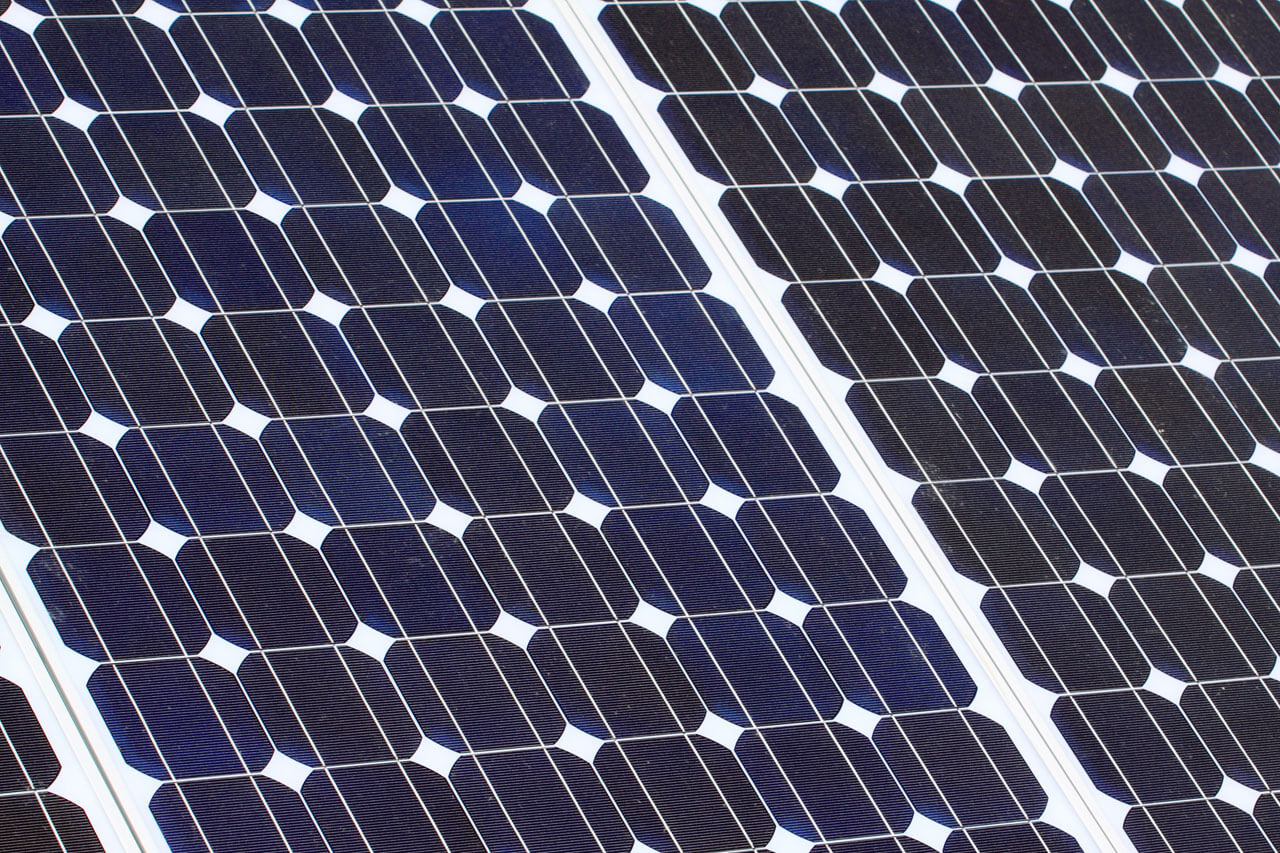
A week of testing between downpours: shadows halve the output, I had the multimeter on the wrong setting, and the panel hits 1.5 amps in full sun.

No sun for testing, but the multimeter is finally showing positive readings. Next decision: pedal power for project 2, or lights for project 3?
The book's first project is done: a solar panel charging a 12V battery through a charge controller, with a multimeter wired in to measure it.

The solar panel has arrived. Before it goes on the balcony, I take some first readings with the multimeter from the safety of the living room.
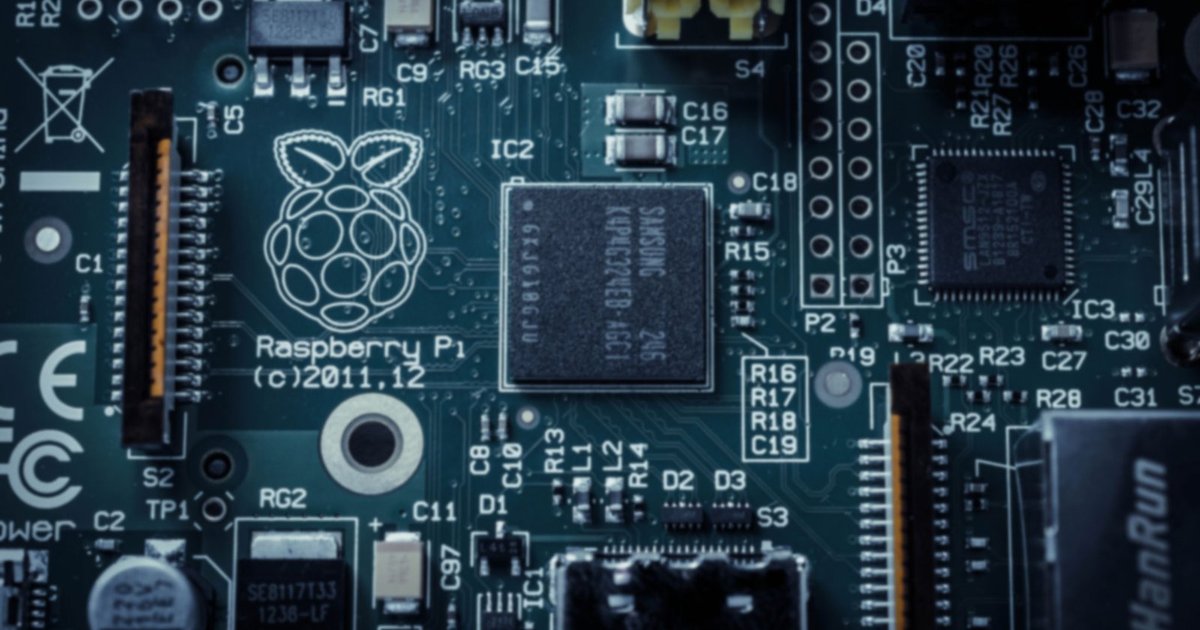
How I got here: the free Pi Zero on The MagPi, a growing Raspberry Pi collection, and wrestling with C via an Arduino Starter Kit.
I spent £126.58 on Amazon for the book's first project: a solar panel kit, a 12V battery, cabling and a multimeter.
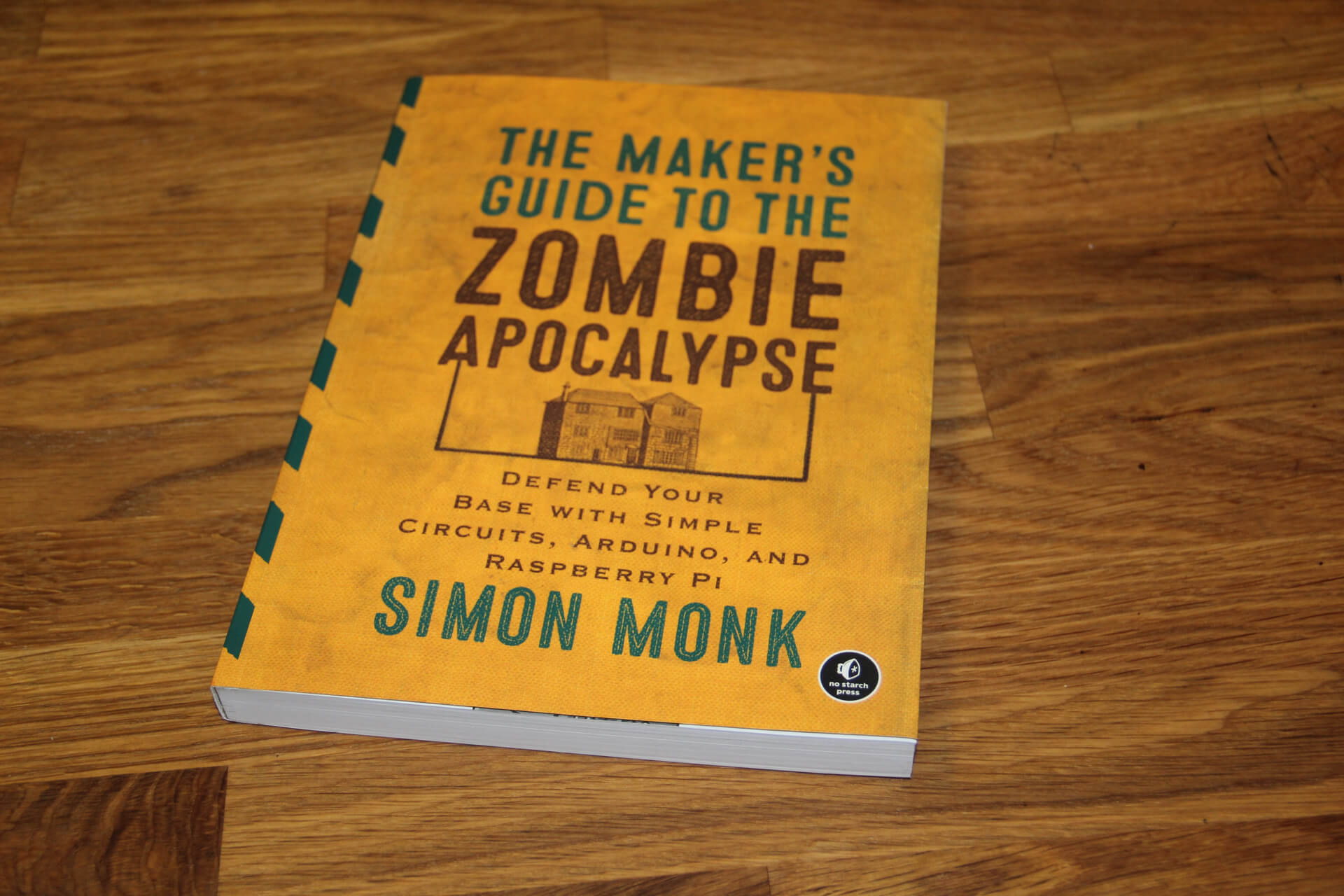
Simon Monk's book teaches electronics through projects for surviving the zombie apocalypse, and it's motivated me to build every one of them.